Key Takeaways – The ideal game night has 6–12 guests, lasts 2–3 hours, and plays 2–3 games. – Start with a collaborative game (like Just One) to warm up non-gamers. – Finger food only — anything requiring a fork doesn’t belong at the table. – Start on time with whoever’s there. Waiting kills energy fast. – Monthly recurring game nights are easier to host than one-off events.
How to Host a Game Night: The Short Version
Pick a date. Invite 8 to 10 people. Have 3 games ready. Put out finger food. Start at 7pm whether or not everyone has arrived.
That’s it. Everything else is details.
If you want the details — the right games for your group, how to handle non-gamers, how long to run it, what food actually works — read on. But don’t let the details stop you. A game night with a deck of cards and a bag of chips beats no game night at all.
Why Game Nights Are Underrated
Game nights are one of the easiest ways to bring people together. And they’re wildly underrated. The board game market hit $19.90 billion in 2024 and is projected to reach $31.93 billion by 2030 (Grand View Research, 2024) — and 24% of American adults now count board games as one of their hobbies (Statista/YouGov, Q1 2024). Game nights aren’t niche anymore. They’re how a lot of people actually want to spend an evening.
Here’s why. Most social gatherings rely entirely on conversation. That’s fine if everyone knows each other. But if you’ve got a mixed group — some friends, some acquaintances, maybe a couple of plus-ones — conversation alone can feel forced.
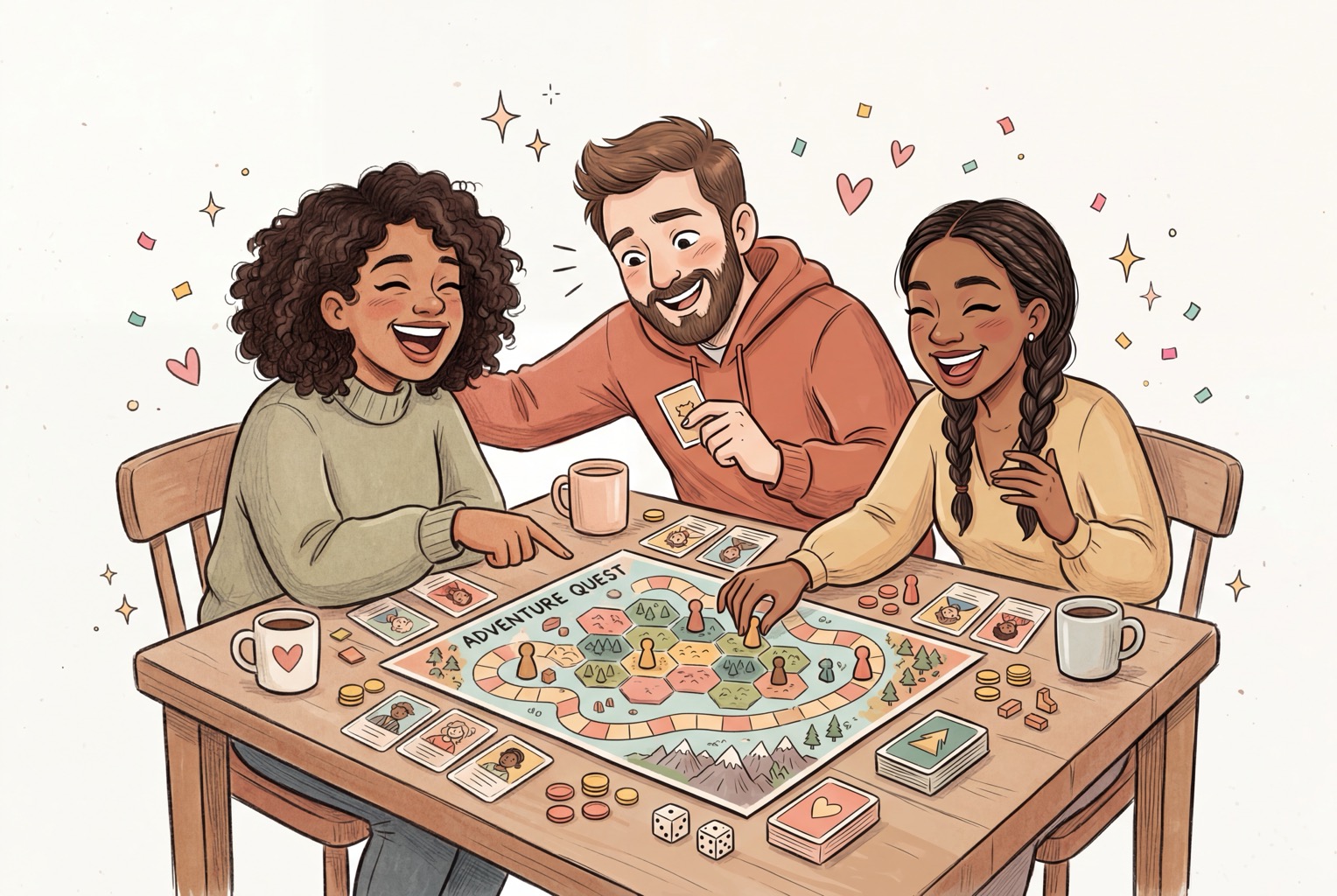
Games fix that. They give everyone a shared activity. They create natural moments of laughter. They let people bond without the pressure of carrying a two-hour dialogue.
I’ve hosted dozens of game nights, and I can tell you this: people who “don’t really play games” end up having the best time. Every single time.
The Sweet Spot: 6 to 12 People
Guest count matters more for game night than almost any other event.
Too few people (under 6) and you don’t have enough energy in the room. Too many (over 12) and you can’t play together as a group. Someone always ends up sitting out.
Six to twelve people is the sweet spot. With that range, you can play most party games without splitting into separate tables. Everyone stays involved. Nobody’s watching from the couch.
If you end up with more than 12, that’s okay. Just plan to run two games simultaneously at different tables. But for your first game night, aim for 8 to 10 people. It’s the easiest number to manage.
Game Picks for Every Vibe
Not all games are created equal. The right game depends on your group. Here are my favorites, broken down by vibe.
Party Games (Best for Big Groups and New Friends)
Wavelength is my go-to starter game. One person gives a clue, and everyone debates where it falls on a spectrum (like “hot to cold” or “underrated to overrated”). It’s hilarious. It sparks real conversations. And nobody needs to read a rulebook.
Just One is perfect for groups of 5 to 10. Everyone writes a one-word clue to help one player guess a secret word. The catch? Duplicate clues get eliminated. It’s cooperative, it’s funny, and it makes everyone feel clever.
Telestrations is basically the telephone game meets Pictionary. You draw, someone guesses, the next person draws that guess, and by the end it’s completely derailed. I’ve never played this without the room crying laughing.
Strategy-Light Games (For Groups Who Want a Little More)
Codenames splits your group into two teams. One person gives one-word clues to help their team find the right cards on a grid. It’s tense. It’s satisfying. And it works perfectly with 6 to 10 people.
SET is a pattern-matching card game that’s fast and addictive. Great for warming up the room or playing between bigger games. Some people are weirdly good at it. That’s part of the fun.
Card Games (Simple and Reliable)
A regular deck of cards goes further than people think. Games like Spoons, Egyptian Ratscrew, or even a casual poker night need zero setup and work with almost any group size.
Have 3 to 4 games ready so you can switch if something isn’t clicking.
Force a game that’s not working. Read the room and pivot.
Food and Drinks: Keep It Simple
Here’s my rule for game night food: if it requires a fork, it doesn’t belong.
You need finger food. Period. People are holding cards, rolling dice, and reaching across the table. Nobody wants to balance a plate of pasta on their knee while playing Codenames.
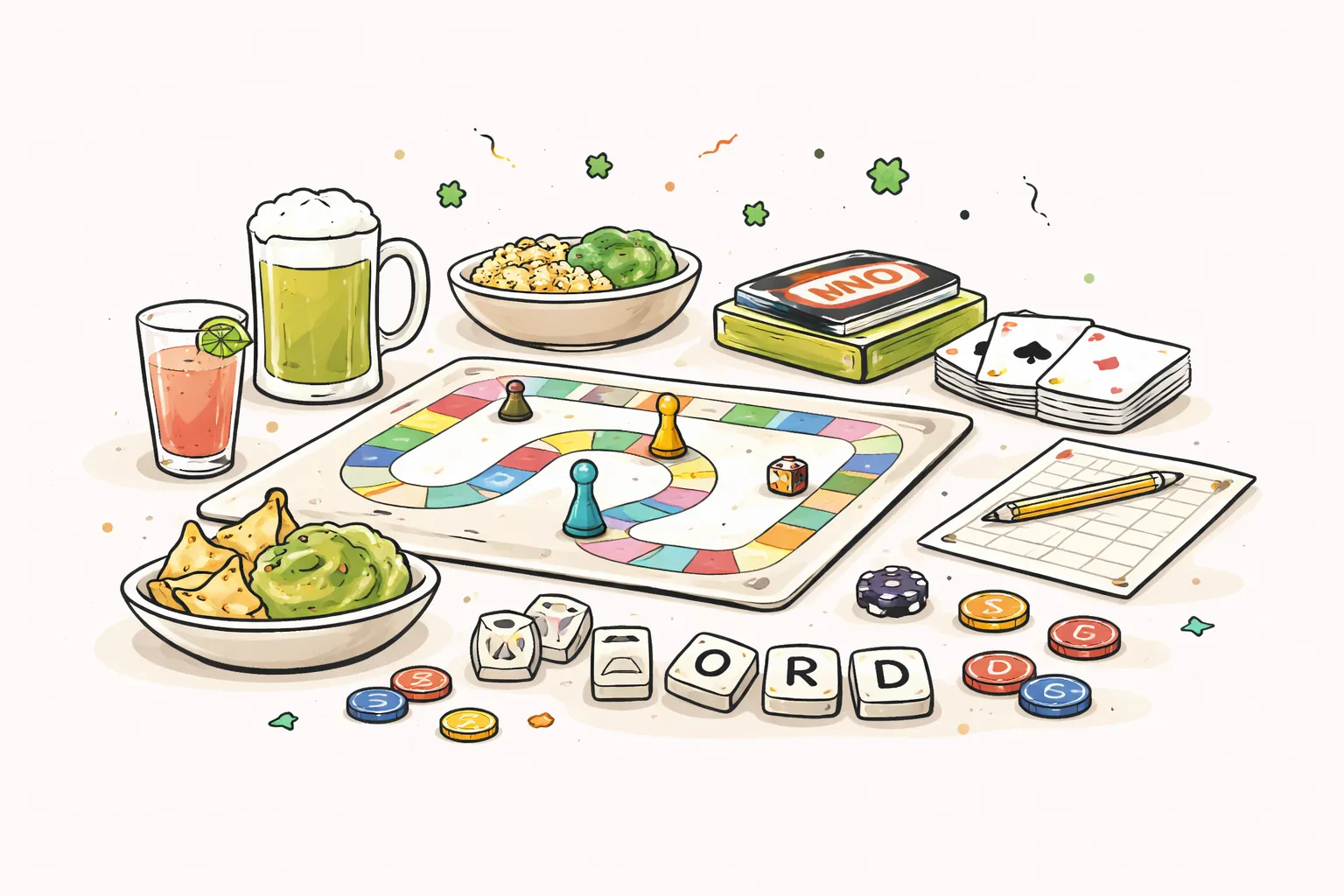
What works: chips and dip, veggies and hummus, cheese and crackers, pizza cut into small slices, popcorn, pretzels, M&Ms in a bowl.
What doesn’t work: anything with sauce that drips, anything that makes your hands greasy (looking at you, buffalo wings), anything that requires assembly.
For drinks, keep it equally simple. A cooler with beer, a bottle of wine, sparkling water, and maybe one batch cocktail. Don’t try to be a bartender. You’re hosting a game night, not running a speakeasy.
Set the food on a separate table from the games. This keeps the game area clean and gives people a natural reason to get up and move around between rounds.
Timing: 2 to 3 Hours, No More
Game nights have a natural arc. The first 20 to 30 minutes are arrival and settling in. Then you play 2 to 3 games over about 90 minutes. Then things wind down naturally.
Put a 2.5-hour window on your invitation. Something like “Game Night, 7pm to 9:30pm.” This gives you enough time for a great evening without it dragging on.
Starting on time matters here more than most events. If you wait for everyone to arrive before starting the first game, you’ll be standing around for 30 minutes and the energy drops. Start a warm-up game with whoever’s there. Latecomers can jump into the next round.
How to Include Non-Gamers
Every game night has at least one person who says “I’m not really a game person.” They’re often the ones who have the most fun. But you have to set them up for success.
Start with Something Collaborative
Competitive games can feel intimidating to newcomers. Start with a cooperative game like Just One where everyone works together. Nobody loses. Nobody feels singled out.
Use Icebreakers Before the First Game
Before you even open a box, do a quick icebreaker. Go around the room and have everyone share their name and the last board game they remember playing. It takes two minutes and loosens the room up immediately.
This is especially helpful when you have a mixed group. Some people know each other. Some don’t. A quick icebreaker breaks through that initial awkwardness so people are ready to actually play together instead of sitting stiffly at the table.
Explain Rules in 2 Minutes or Less
If you can’t explain the rules in under 2 minutes, it’s the wrong first game. Save the complex stuff for later in the night when everyone’s warmed up.
Let People Watch a Round First
Some people learn by watching. Play one practice round and let newcomers observe. They’ll usually jump in on round two without you even asking.
Start with easy, collaborative games and build up.
Lead with a complicated strategy game. You’ll lose half the room.
Rotate Games to Keep Energy High
Don’t play one game for the entire night. The magic of game night is variety.
Here’s a flow that works every time. Start with a quick warm-up game (5 to 10 minutes). Move to your main game (30 to 45 minutes). Take a food and drink break. Play a second main game or a silly party game. End on something light and funny, like Telestrations.
If a game is a huge hit, play another round. If it’s falling flat, don’t force it. Say “Let’s try something different!” and move on. Nobody will be offended.
Setting the Right Atmosphere
The vibe of your space matters more than you think. You don’t need to redecorate, but a few small touches go a long way.
Clear the table completely. Nothing kills game night energy like trying to play around someone’s laptop and a stack of mail. You need open table space.
Lighting matters too. Overhead fluorescents feel like an office. Dim them slightly or use a lamp. You want “cozy evening at a friend’s place,” not “conference room meeting.”
Put on background music at low volume before people arrive. Something chill and instrumental. Once the games start, you probably won’t hear it. But it fills the silence during those first few minutes when only three people have shown up and you’re waiting for the rest.
Make It a Recurring Thing
The best game nights aren’t one-offs. They’re recurring.
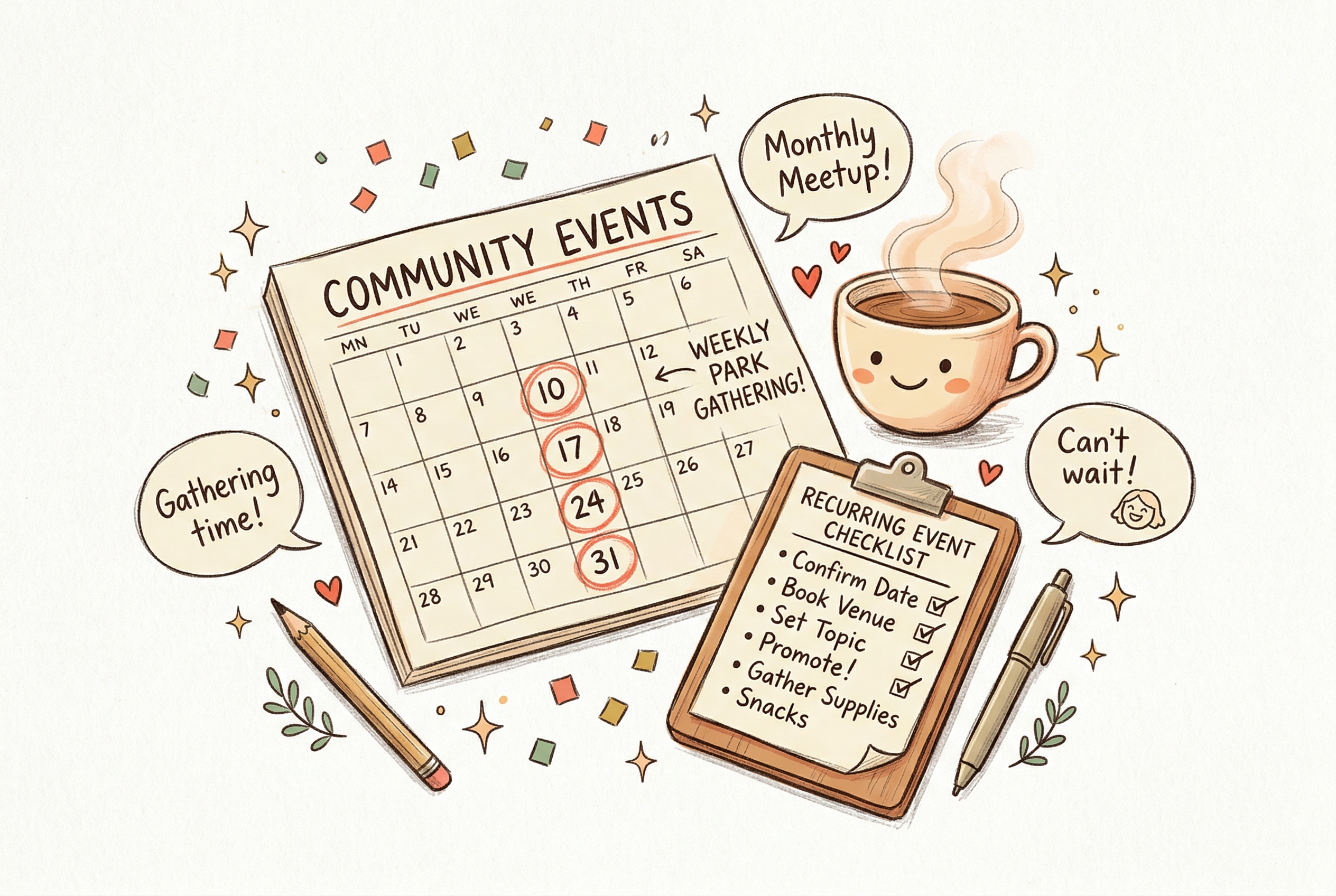
Once you host a great game night, people will ask when the next one is. That’s your cue. Pick a regular cadence. Monthly is ideal. Same day, same time, same general format.
A recurring game night becomes a thing people look forward to. It becomes part of their routine. And it gets easier to host every time because you’ve already figured out what works.
You don’t need a fancy setup. You don’t need an extensive game collection. You need a table, a few good games, some snacks, and friends who are willing to show up. Start with what you have. Even a single deck of cards and a bag of chips is enough for a great evening.
That’s it. That’s how you host a game night.
Frequently Asked Questions
How many people should come to a game night? Six to twelve is the sweet spot. Fewer than six and the energy feels flat. More than twelve and it’s hard for everyone to play together. For your first game night, aim for 8 to 10 — it’s the easiest number to manage.
What games are best for a game night with mixed experience levels? Start with cooperative party games like Just One or Wavelength. Everyone plays together, nobody wins or loses alone, and the rules take under two minutes to explain. Save complex strategy games for later in the night once the group is warmed up.
How long should a game night last? Two to three hours is ideal. Set a firm end time on your invitation (e.g., 7pm–9:30pm). This keeps the pacing tight, prevents the night from dragging, and signals to guests that this is a casual, bounded event — not an all-nighter.
What food should I serve at a game night? Finger food only. Chips, crackers, cheese boards, pizza slices, popcorn, veggies and dip. Anything that requires a fork or makes hands greasy is a problem when people are handling cards and dice. Set the food on a separate table from the games.
How do I host a game night if I only have one game? You can absolutely run a great game night with one game — especially a party game like Codenames or a card game that supports multiple rounds. Play two or three rounds, take a break in between, and the night fills itself. Add more games over time as you get into hosting regularly.
Want to organize your game night? Mixily lets you create a free event page, collect RSVPs, and send reminders so nobody forgets. Set up your game night in minutes.
Related reading: How to Host a Party | Icebreaker Games for Any Group | introvert’s guide to hosting | party games for adults | building community through events | hosting your first event | recurring event planning | mid-year community check