Here’s a hard truth about running a community: a Slack channel is not a community — and community activities is at the heart of it. A Facebook Group is not a community. A Discord server is not a community.
Those are tools. They’re the room. But a room full of people who never talk to each other is just a waiting room.
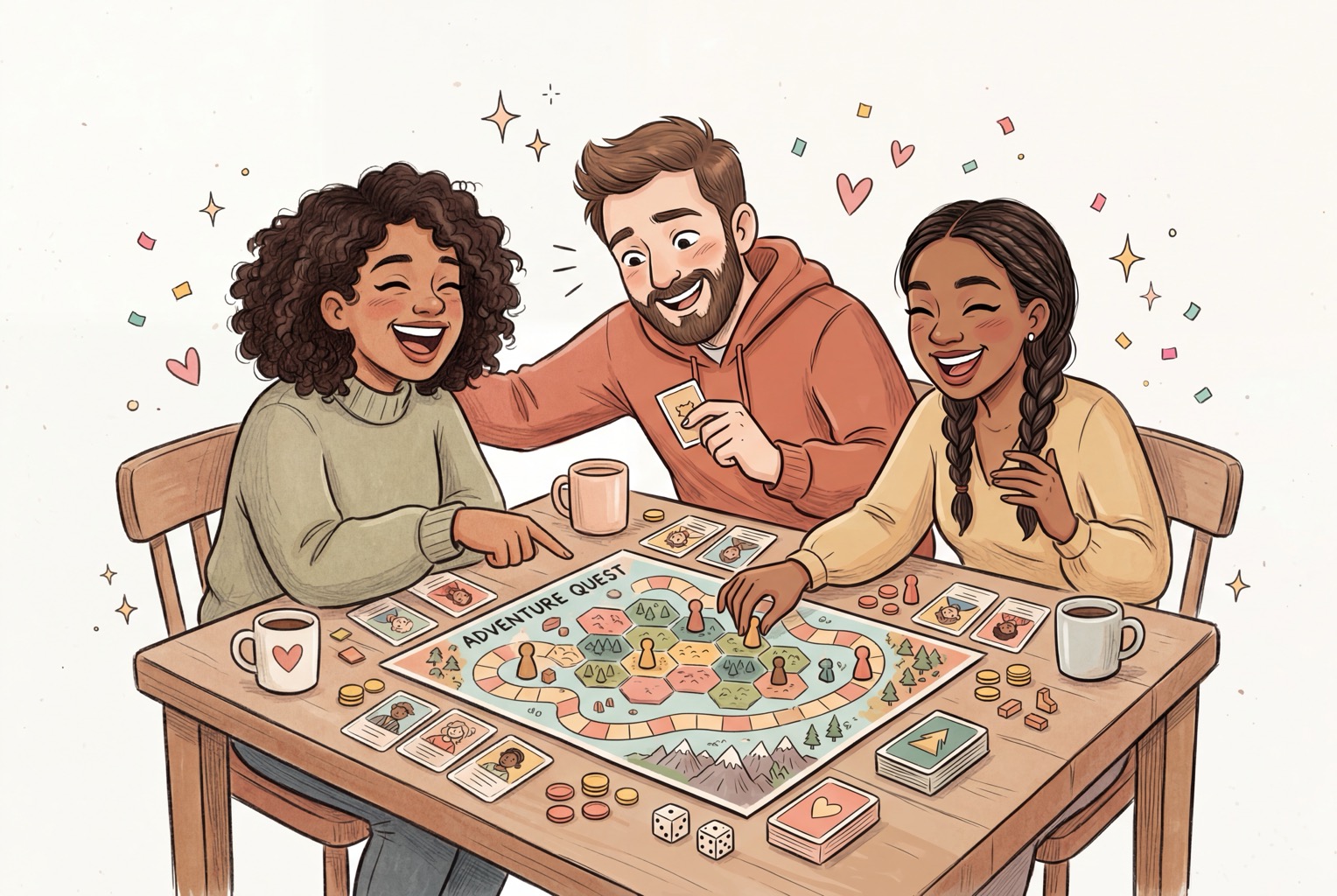
Real community happens when members actually do things together. When they collaborate, share, debate, create, and yes, even just have fun side by side. That’s when strangers become acquaintances, acquaintances become friends, and friends become the kind of loyal members who never leave.
I’ve talked with dozens of community leaders about this exact challenge. People like Hannah McCauley from Dreamers & Doers, Danielle Letayf from Badassery, Liyani Rodriguez and Tex Dworkin from Raddle, and Jennifer Nnamani from Beau Monde Society. The same lesson came up every time: give your community members something to do together, and engagement takes care of itself.
This guide breaks down exactly how to do that.
Why Communities Need Shared Activities (Not Just a Chat Channel) for Community Activities
Most community builders make the same mistake. They launch a platform, invite people, post a welcome message, and then wonder why nobody talks.
The problem isn’t the platform. The problem is there’s nothing to do.
Think about the best communities you’ve been part of. Maybe it was a running club, a book group, or a team at work. What made it special wasn’t the group chat. It was the shared experience: the runs, the discussions, the projects you built together.
Danielle Letayf from Badassery puts it bluntly: “Just because some people don’t come to all of the events doesn’t mean they don’t engage. There are so many types of people. It’s a mistake to see all of them as a blob.”
She’s right. Different members need different ways to participate. Some love big group events. Some prefer one-on-one connections. Some engage best through async conversations. Your job is to create multiple pathways for members to do things together.
Types of Community Gatherings That Actually Work
Hannah McCauley from Dreamers & Doers describes their approach as a “cocktail menu” of events. Some are centered around learning, some around building community. Not every event is for every member, and that’s the point.
Here are the formats that consistently drive engagement across successful communities:
Mixers and Social Events
These are the bread and butter of community engagement. Low-pressure, topic-driven gatherings where people can meet each other. Dreamers & Doers runs mixers with a topic, holiday-themed happy hours, and casual hangouts. The key is giving people a reason to show up and something to talk about.
Try a themed mixer: “share your biggest business fail this year” or “what’s one thing you learned this month.” A good prompt does the heavy lifting. Need ideas? Check out these icebreaker prompts that actually work.
1:1 Speed Connections
This is a big one. Almost every community leader I talked to emphasized that one-on-one interactions matter more than anything, no matter the size of your community.
Badassery uses algorithmic matching to connect members for 1:1 conversations, similar to how a speed friending event works but on a rolling basis. Members get paired, have a conversation, and suddenly the community feels a lot more personal.
You don’t need fancy software for this. Start simple: pair members manually, give them a prompt, and set a deadline to meet. Even matching five pairs per month creates 60 meaningful connections per year.
Masterminds and Workshops
Small group sessions where members work through a specific challenge together. Dreamers & Doers runs business masterminds. Badassery hosts workshops that are always led by a member, not an outside speaker.
That detail matters. When members teach and lead, they’re invested. They promote it themselves. They feel ownership over the community. As Danielle says, “Building with community has been so imperative to foster meaningful engagement between members.”
Casual Hangouts and Co-Working Sessions
Not everything needs a formal agenda. Some of the best community moments happen in unstructured time. Virtual co-working sessions where people just work alongside each other on Zoom. Walking meetups. Coffee chats. Sometimes just being in the same space is enough.
Raddle discovered that their members, many of them small business owners, sometimes just wanted “20 minutes in and out.” Respect people’s time and offer lightweight options alongside bigger events.
Virtual vs. In-Person vs. Hybrid: What Works in 2026
The virtual-vs-IRL debate is settled. The answer is both.
Virtual events are a permanent fixture for communities. They remove geographic barriers, respect people’s time, and make it possible for a member in Austin and a member in Amsterdam to sit in the same room. Dreamers & Doers found that going virtual allowed far more people to participate than their pre-pandemic in-person events ever did.
But in-person connection is irreplaceable. Nothing beats sharing a meal, making eye contact, or the energy of being physically together. The communities thriving in 2026 do both.
Here’s what the best community leaders are doing:
- Virtual as the default. Monthly or bi-weekly online events keep the community connected regardless of location.
- In-person as the special occasion. Quarterly or annual meetups, retreats, or city-based micro-events create deeper bonds.
- Hybrid with intention. Don’t just point a camera at an in-person event and call it hybrid. Design both experiences separately. Virtual attendees need their own engagement plan.
- City-based chapters. Once you have 3-5 members in a city, encourage local meetups. Start small: a coffee walk, a lunch, a game night. Let members self-organize.
Tex Dworkin from Raddle said something that stuck with me: “I see the future of community events as forever hybrid.” That prediction has held up. The communities that adapted to this reality early are the ones thriving now.
How to Foster Peer-to-Peer Engagement
Here’s the secret that separates good communities from great ones: the best communities don’t rely on the founder to create all the energy. Members create it for each other.
But this doesn’t happen by accident. It takes intentional groundwork.
Let Members Lead Events
At Badassery, “everything is members first.” Members submit event ideas, the team helps them build the content, and then members promote the events themselves in Slack. This creates a flywheel: members lead, other members attend, and suddenly you have a community that runs itself.
Badassery even created a guide with tips on how to run a “kick-ass event.” As Danielle puts it, “With moderation or facilitation comes great responsibility.” Give your member-leaders the tools and training to succeed.
Use Conversation Starters
Dreamers & Doers posts conversation prompts in their Facebook Groups: “What do you need help with?” or “Share an accomplishment of the week.” Simple stuff. But here’s what’s interesting: Hannah says 90% of the discussions are now started by members, not moderators. The prompts trained the behavior. Members saw what good engagement looked like and mimicked it.
“There is a lot of groundwork that goes into making it feel informal,” Hannah explains. That’s the paradox of great community management. The more work you put in behind the scenes, the more natural it feels.
Do the Unscalable
One of my favorite insights from Dreamers & Doers: “To do the scalable, you have to do the unscalable. You have to support each member and what they are doing. Keep track of when it changes. Then you know how to support each member in the most meaningful way.”
This means tagging the right people in conversations. Introducing members who should know each other. Remembering what someone is working on and checking in. It’s the kind of work that doesn’t scale, which is exactly what makes it so powerful. You can learn more about this approach in our guide on how to ask your community for help.
Invest in Facilitation
Raddle takes facilitation seriously. They have a head of facilitation and a formal guide. Their facilitators are pulled from within the community and trained to create safe, structured discussions.
“Comforting to know ground rules,” Liyani explains. “It makes humans happy to know boundaries.” Whether you’re running a 10-person mastermind or a 200-person virtual mixer, someone needs to be steering the ship. Don’t wing it.
Tools for Community Gathering
The tools have gotten better since the early days of the pandemic. Here’s what community leaders are using in 2026:
- Circle — All-in-one community platform with events, discussions, courses, and member directories. A popular choice for paid communities.
- Slack and Discord — Still the go-to for async conversation and quick community interaction. Slack works well for professional communities, Discord for creator and interest-based ones.
- Zoom — The workhorse for virtual events. Breakout rooms make it usable for mixers and small group activities, not just webinars.
- Luma — Event pages with built-in RSVP, calendar syncing, and attendee management. Clean and easy to use.
- Mixily — Free event pages with customizable design. Great for community leaders who want to brand the event experience.
- Newsletter platforms — Substack, Beehiiv, or ConvertKit to stay in touch between events. Email still has the highest engagement rate of any channel.
- Instagram and TikTok — Live features let you run casual conversations and reach members where they already are.
Here’s the thing: the tool matters less than you think. As Jennifer Nnamani from Beau Monde Society showed, you can run a polished virtual summit using a simple event platform and a website. What matters is that you show up, you prepare, and you give people a reason to be there.
Jennifer even brought her summit guests in for a dry run beforehand so everyone would be comfortable. That level of care has nothing to do with software.
Getting Started: Your First Community Activity
If you’re staring at a quiet community wondering where to begin, here’s your playbook. Keep it simple. Keep it small. Keep it real.
Pick one format and commit to it. Don’t try to launch five event types at once. Choose the one that feels most natural for your community. A monthly virtual mixer is a great starting point. Check out these community event ideas for more inspiration.
Set a recurring schedule. “First Tuesday of every month” is better than “whenever we feel like it.” Consistency builds habit, and habit builds attendance.
Start with your most engaged members. You don’t need 50 people at your first event. You need 5 who are excited. Those 5 will tell others, and momentum will build.
Ask for feedback obsessively. Hannah from Dreamers & Doers says they “couldn’t do what we do without our members.” They run annual surveys and keep inboxes open for suggestions. Don’t assume you know what members want. Ask them.
Cap your events. Badassery learned that fewer, higher-quality events beat a packed calendar. They cap at three events per month. This prevents burnout for both organizers and members.
Experiment and adjust. Try new formats. Kill the ones that don’t work. Double down on the ones that do. Dreamers & Doers says they’re “not afraid to experiment and add in new formats since our community is often giving feedback.”
The Bottom Line
Community isn’t about having a place for people to hang out. It’s about giving them reasons to show up, things to do when they get there, and connections that keep them coming back.
The community leaders I’ve spoken with all agree on the fundamentals: listen to your members, offer multiple ways to engage, let members lead, and never stop iterating.
You don’t need a huge budget or fancy technology. You need intention, consistency, and a genuine desire to help your members connect with each other.
Start small. Start this week. Build your community through shared experiences, and everything else will follow.