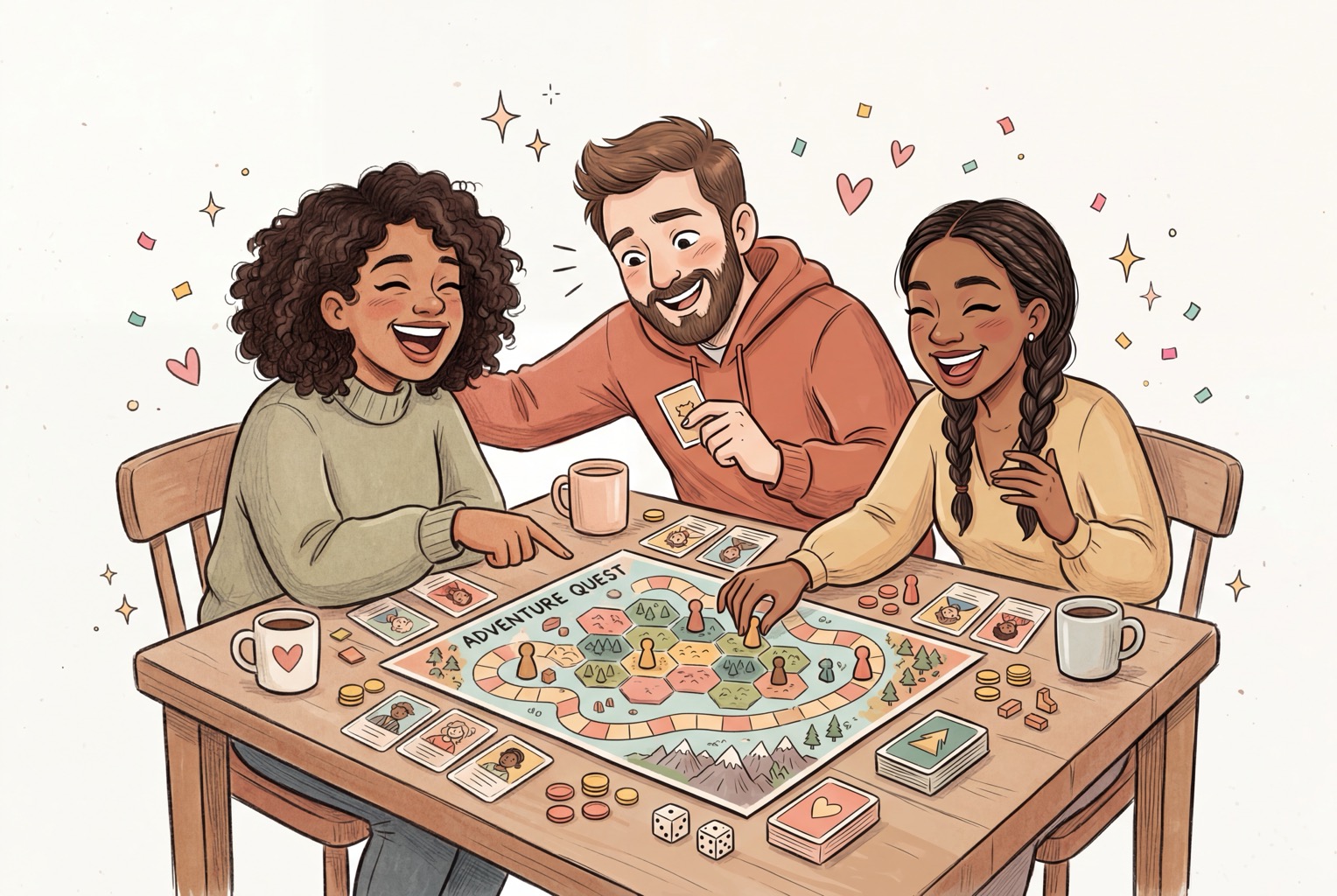
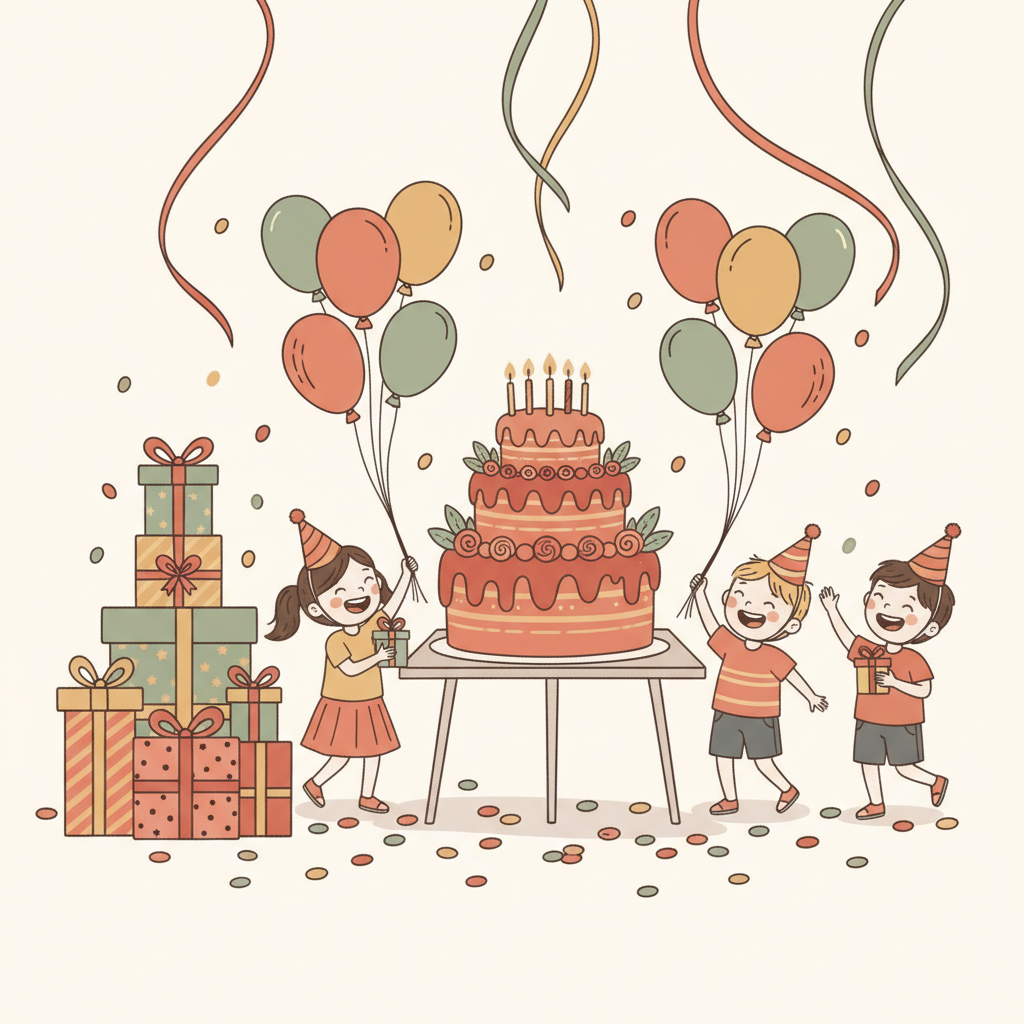
Every kid wants their birthday party to feel special. The problem is, “special” means something completely different for a 4-year-old than it does for a 10-year-old.
What works for toddlers (bright colors, simple activities, short parties) would completely bore a preteen. What tweens love (independence, their friends, less adult involvement) would overwhelm a kindergartener.
This guide breaks down birthday party ideas by age so you’re planning for the actual kid in front of you — not a generic child template.
Ages 1-3: Keep It Simple (This Party Is for the Parents)
Let’s be honest. A one-year-old doesn’t know they’re having a birthday party. A two-year-old will be overstimulated by the decorations alone. The real audience here is the parents and family who want to celebrate this milestone.
What works: – Short parties (2 hours max) – One simple activity (bubbles, a ball pit, Play-Doh table) – Themed decorations that photograph beautifully – Cake smash for the baby, cake for everyone else – Nap time consideration — schedule around it
Popular themes: Animals (safari, farm, jungle), favorite characters (but keep it age-appropriate), rainbows, outer space
Invitation tip: Use Mixily for a free event page that lets family members RSVP easily without downloading an app. For a first birthday, you’ll have extended family RSVPing from all over.
Ages 4-6: Energy Stations and Active Play
This is the golden age of birthday parties. Kids this age are excited about everything and genuinely love all of it — the balloons, the games, the cake, the goody bags. Plan for 2-2.5 hours.
What works: – Activity stations they can rotate through – Simple organized games (freeze dance, musical chairs, duck-duck-goose) – Crafts they can take home – A short “performance” moment (magician, face painter, bubble entertainer) – 1-2 adults per 5-6 kids
Activity station ideas: – Decorate your own cookie – Make a slime or play-doh creation – Mini obstacle course in the backyard – Coloring or sticker activity at a table
Popular themes: Superheroes, princesses, dinosaurs, unicorns, Paw Patrol, Bluey
Food: Keep it simple. Pizza is the undisputed king of kids’ birthday food. Fruit, veggies with dip, and a birthday cake. Don’t overthink it — kids care about the cake.
Ages 7-9: Themes, Friends, and Slightly More Complex Activities
At this age, kids start to have strong opinions. They know exactly which theme they want and exactly which friends they want to invite. They’re also capable of following more complex game rules, which opens up a lot of activity options.
What works: – A theme chosen by the birthday kid – Games with winners and mild competition (scavenger hunts, relay races) – A central activity (bowling, laser tag, movie marathon, art class) – Inviting a smaller group of real friends vs. the whole class
Activity ideas: – Backyard scavenger hunt (hide clues around the house and yard) – DIY science experiments (slime, volcanoes, invisible ink) – Bowling party at a local alley – Movie party with a projector, blankets, and popcorn – Craft party with a specific project (tie-dye, bead jewelry, painted rocks)
Popular themes: Minecraft, Taylor Swift, Harry Potter, sports teams, underwater/ocean, art studio
Let the kid make the invitations or help choose the activity. Ownership matters to this age group.
Invite 20 kids to a laser tag venue that seats 12.
Ages 10-12: Give Them More Independence
Tweens have arrived. They want their friends more than they want their parents. They want a say in everything. And they can often tell when you’re trying to make a party “fun” in a way that feels forced.
What works: – Parties centered on an activity they chose – More freedom within the space (let them run the games themselves) – Food they actually like, not what you think kids should eat (pizza, wings, nachos beat the veggie tray every time) – Less parent involvement visible during the party
Popular activity ideas: – Escape room (many venues have age-appropriate rooms for this age group) – Spa day at home (DIY facials, nail painting, movie) – Video game tournament – Outdoor adventure (hiking, kayaking, outdoor rec center) – Painting class or pottery studio – Cooking or baking party
Popular themes: Slumber party, decades (70s, 80s, 90s), cozy/cottage, sports, gamer theme
Invitation tip: Tweens communicate differently. Text is fine for casual plans, but a real event page with RSVP helps parents know details and gives kids a sense that this is a real event worth showing up for.
The Best Party Games by Age Group
Ages 4-6: Freeze dance, hot potato, simple relay races, a piñata, treasure hunt (with very obvious clues)
Ages 7-9: Scavenger hunt with actual puzzles, Jenga with silly dares, team relay races, movie bingo, “two truths and a lie” (age-appropriate version)
Ages 10-12: Jackbox games on a TV, trivia (pop culture focused), escape room in a box, pictionary, karaoke
For more game ideas for parties, see our party games guide — many of the format ideas work well for older kids too.
Birthday Party Food That Kids Actually Eat
Let’s settle this debate.
Reliably eaten at every kids’ party, every time: – Pizza (always a hit) – Mini hotdogs or corn dogs – Macaroni and cheese – Fruit (especially if it looks fun — skewered or shaped) – A birthday cake with buttercream frosting
Things you buy “for the kids” but adults eat: – Chips and guac – Veggie tray – Fancy sparkling water – The sheet cake backup
Skip: – Complex allergy-heavy foods without checking with parents first – Anything that requires a fork and serious coordination (small kids, formal dining = mess)
Budget-Friendly Kids Party Ideas
You don’t need to spend $500 to throw a great party. Here’s what actually matters vs. what you can cut.
Worth spending on: – The activity or entertainment (magician, craft supplies, escape room) – The birthday cake (this is the photo moment) – RSVPs and a clean invite — use Mixily for free
Easy places to save: – Skip the elaborate goodie bags (most go straight in the trash) – Buy generic balloons and decorate simply – Make food yourself rather than catering for a small group – Use your backyard instead of renting a venue – Print decorations at home vs. buying licensed character sets
A memorable kids’ birthday party doesn’t come from spending more. It comes from understanding what the kid actually wants — which usually involves their favorite theme, their best friends, and a really good cake.
For a broader party planning framework, see our birthday party planning guide.
One More Tip
The most important thing to get right isn’t the activity or the decorations.
It’s that the birthday kid feels like the center of the universe for those two hours.
That means you know who their best friends are. You know their current obsession. You planned something that feels tailored to them, not generic. A party that says “I see you and I know what you love” beats a Pinterest-perfect party with the wrong vibe every single time.
Plan your next kids’ birthday party with Mixily — free event pages, easy RSVP tracking, and no app required for parents to respond.
Related reading: how to plan a party